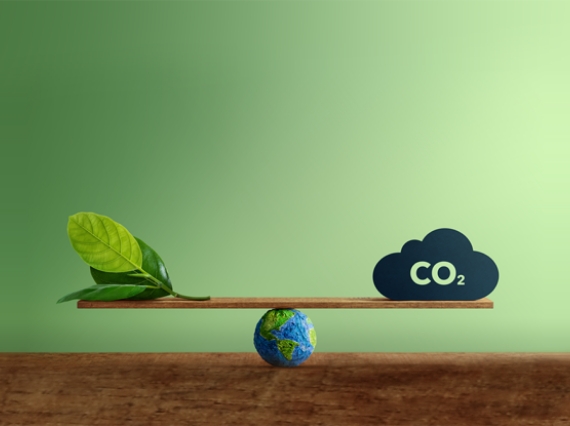
It is a global integrated model development project.
With the launch of the new climate regime under the Paris
Agreement, there is an increasing need for the development and
utilization of global-level emissions reduction and integrated
assessment models. These models are essential for addressing
various aspects such as setting emissions reduction targets based
on Nationally Determined Contributions (NDCs), conducting the
Global Stocktake (GST) to ensure transparency, and introducing the
International Market Mechanism (IMM).
While both bottom-up and top-down models are utilized for
greenhouse gas reduction systems analyses, both these types of
models have their strengths and weaknesses. An integrated modeling
approach that complement both is necessary.
In response to this need, the UNICON model project aims to develop
a global integrated assessment model that integrates both top-down
and bottom-up approaches. This model will allow for empirical
analyses of the changes and diffusion of key mitigation
technologies and support more efficient negotiations on
international greenhouse gas reduction targets.
-
01Scientific and Technological Impact
- Improvement of the accuracy of potential greenhouse gas reduction predictions and policy evaluations through the development of a global integrated assessment model that combines both top-down and bottom-up modules
- Promotion of extended research through the establishment of a global greenhouse gas, energy technology, and economy database, as well as an integrated assessment model
-
02Socioeconomic Impact
- Stimulation of greenhouse gas emission trading systems and international carbon market linkages
- Improvement in the accuracy of greenhouse gas reduction target analysis and the efficiency of reduction policies resulting from enhanced predictive capabilities for global greenhouse gas reduction
- Training of personnel for the enhancement and utilization of a global multi-regional integrated assessment model and integrated model UI management
- Analysis of the impact of global climate change policies (such as international carbon markets and carbon border taxes) on the domestic economy, utilization of analytical results to establish response policies
- Provision of information to institutions such as the Greenhouse Gas Inventory and Research Center of Korea and the Presidential Commission on Carbon Neutrality and Green Growth, for the establishment of climate change and carbon neutrality policies
-
03Socioenvironmental Impact
- Improvement in the accuracy of environmental impacts through enhanced capabilities to predict global greenhouse gases reduction levels
- Expectations for increased interest in climate change and carbon neutrality in the general public and media